8 Science-Based Strategies to Lose Belly Fat Fast
Achieving a leaner midsection is often less about “crunches” and more about understanding how female physiology responds to nutrition, stress, and movement. While “spot reduction”-losing fat from just one area is a biological myth, you can accelerate total body fat loss, which naturally includes the abdominal area.
Here are eight proven, science-backed methods to reduce visceral fat effectively.
1. Prioritize Soluble Fiber Intake
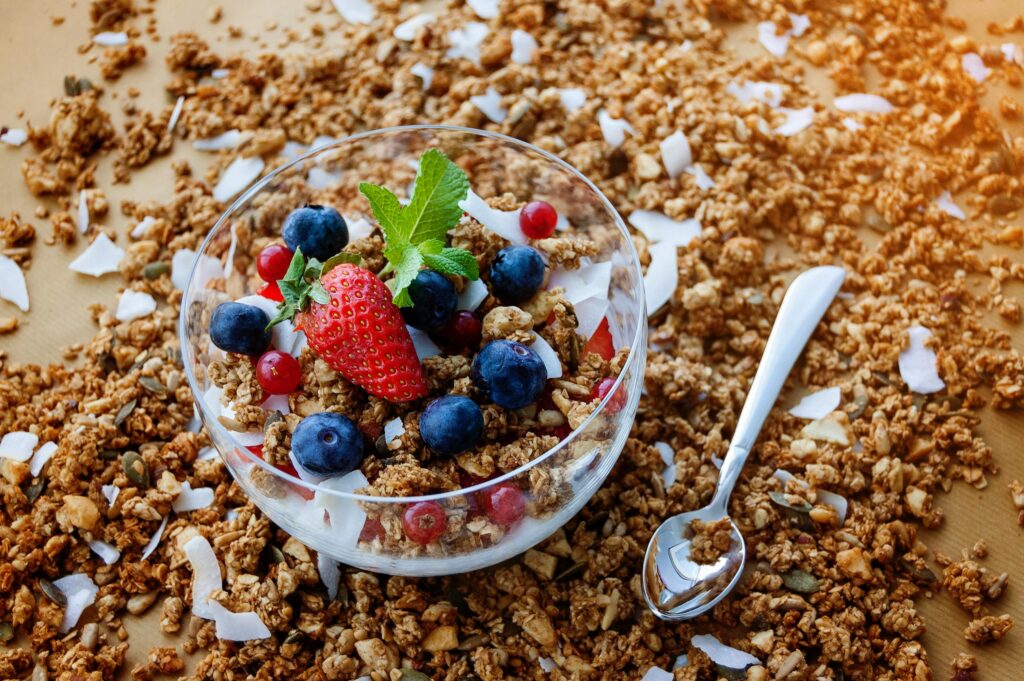
Soluble fiber absorbs water and forms a gel that helps slow down food as it passes through your digestive system. Studies show this type of fiber promotes weight loss by helping you feel full, so you naturally eat less.
- The Science: A longitudinal study observed that for every 10 gram increase in soluble fiber intake, belly fat gain decreased by 3.7% over a five-year period.
- Action Step: Incorporate flaxseeds, legumes, oats, and avocados into your daily meals.
2. Eliminate Trans Fats and Limit Refined Sugars

Trans fats are created by pumping hydrogen into unsaturated fats. They are linked to inflammation, heart disease, and insulin resistance. Similarly, refined sugars (found in sodas and pastries) trigger the liver to store excess energy as fat around the abdomen.
- The Science: High sugar intake, specifically fructose, is directly linked to increased abdominal fat and liver fat.
- Action Step: Read labels carefully. Avoid anything containing “partially hydrogenated oils” and swap sugary beverages for sparkling water or herbal teas.
3. Increase Lean Protein Consumption
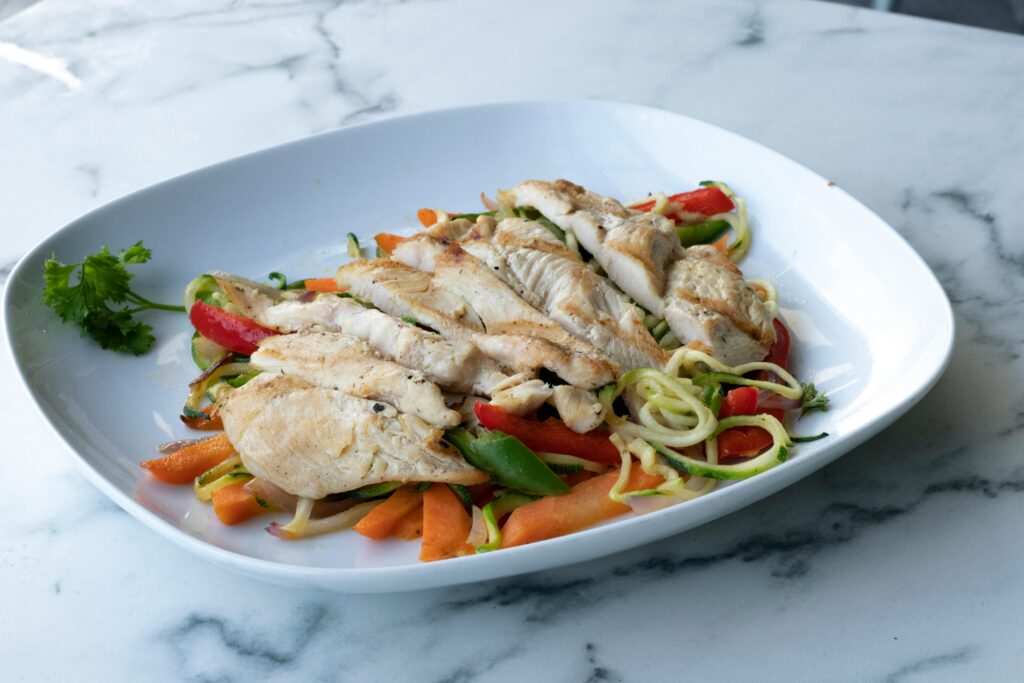
Protein is perhaps the most important macronutrient for weight management. High protein intake increases the release of the fullness hormone PYY, which decreases appetite and promotes satiety.
- The Science: Observational studies demonstrate that people who eat more protein tend to have significantly less abdominal fat than those who eat a lower protein diet. Protein also raises your metabolic rate and helps retain muscle mass during weight loss.
- Action Step: Aim for a source of lean protein at every meal, such as eggs, fish, beans, or Greek yogurt. And if you are vegan you can consume Seitan, Tempeh, Lentils, Tofu, and Hemp Seeds as high protein vegan diet.
4. Manage Cortisol Through Stress Reduction

Stress triggers the adrenal glands to produce cortisol, often called the “stress hormone.” High cortisol levels increase appetite and drive abdominal fat storage. Women, in particular, may see a more pronounced effect of cortisol on the midsection.
- The Science: Research indicates that elevated cortisol levels contribute to “visceral” fat—the dangerous fat stored around internal organs.
- Action Step: Practice mindfulness, yoga, or deep-breathing exercises for at least 10 minutes daily to keep hormonal levels balanced.
5. Utilize Strength Training Over Excessive Cardio

While many women gravitate toward hours of steady-state cardio, resistance training (weightlifting) is often more effective for long-term fat loss. Building lean muscle increases your resting metabolic rate, meaning you burn more calories even while asleep.
- The Science: A combination of aerobic exercise and strength training has been shown to lead to the greatest decrease in visceral fat.
- Action Step: Aim for three sessions of full-body strength training per week, focusing on compound movements like squats and rows.
6. Prioritize High-Quality Sleep

Sleep is a pillar of health that is frequently overlooked in weight loss journeys. Poor sleep is linked to an increase in ghrelin (the hunger hormone) and a decrease in leptin (the fullness hormone).
- The Science: A 16-year study of over 68,000 women found that those who slept fewer than five hours per night were significantly more likely to gain weight than those who slept seven hours or more.
- Action Step: Establish a “digital sunset”—turn off screens 60 minutes before bed and aim for 7–9 hours of consistent sleep.
7. Track Your Food Intake and Macronutrients
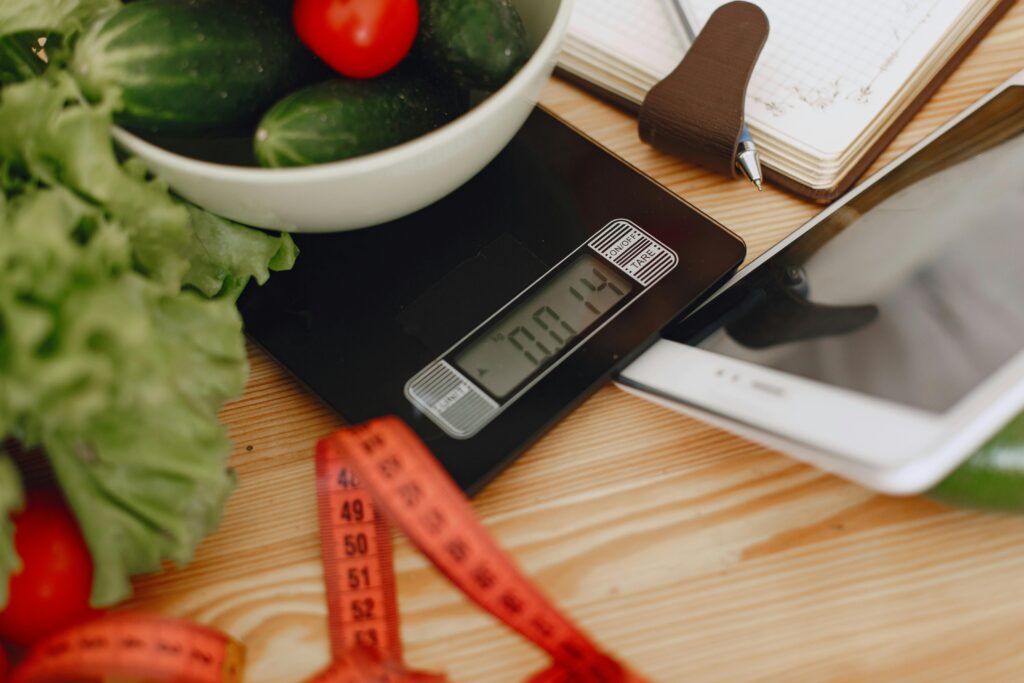
Most people underestimate how much they eat. Tracking isn’t about restriction; it’s about awareness. Understanding your protein, carb, and fat ratios can help you identify why your progress might be stalling.
- The Science: Monitoring your intake helps you maintain a caloric deficit, which is the fundamental requirement for fat loss.
- Action Step: Use a tracking app or a simple food journal for one week to get an honest baseline of your current eating habits.
8. Focus on Probiotic-Rich Foods
Your gut microbiome plays a massive role in weight regulation. Certain bacteria in the Lactobacillus family have been shown to help reduce the absorption of dietary fat, causing you to excrete it rather than store it.
- The Science: Clinical trials have shown that specific probiotic strains can help reduce body weight and fat percentage, specifically in the abdominal region.
- Action Step: Eat fermented foods like kimchi, kefir, or sauerkraut, or consider a high quality probiotic supplement.
Conclusion
Losing belly fat is not about quick fixes or magic pills. It is the result of aligning your lifestyle with your biological needs. By focusing on high protein, stress management, and consistent movement, you create an environment where your body can efficiently burn stored fat.
The Golden Rule: Consistency beats intensity. Pick two of these points to implement this week, and add more as they become habits.
0 Comments